Description
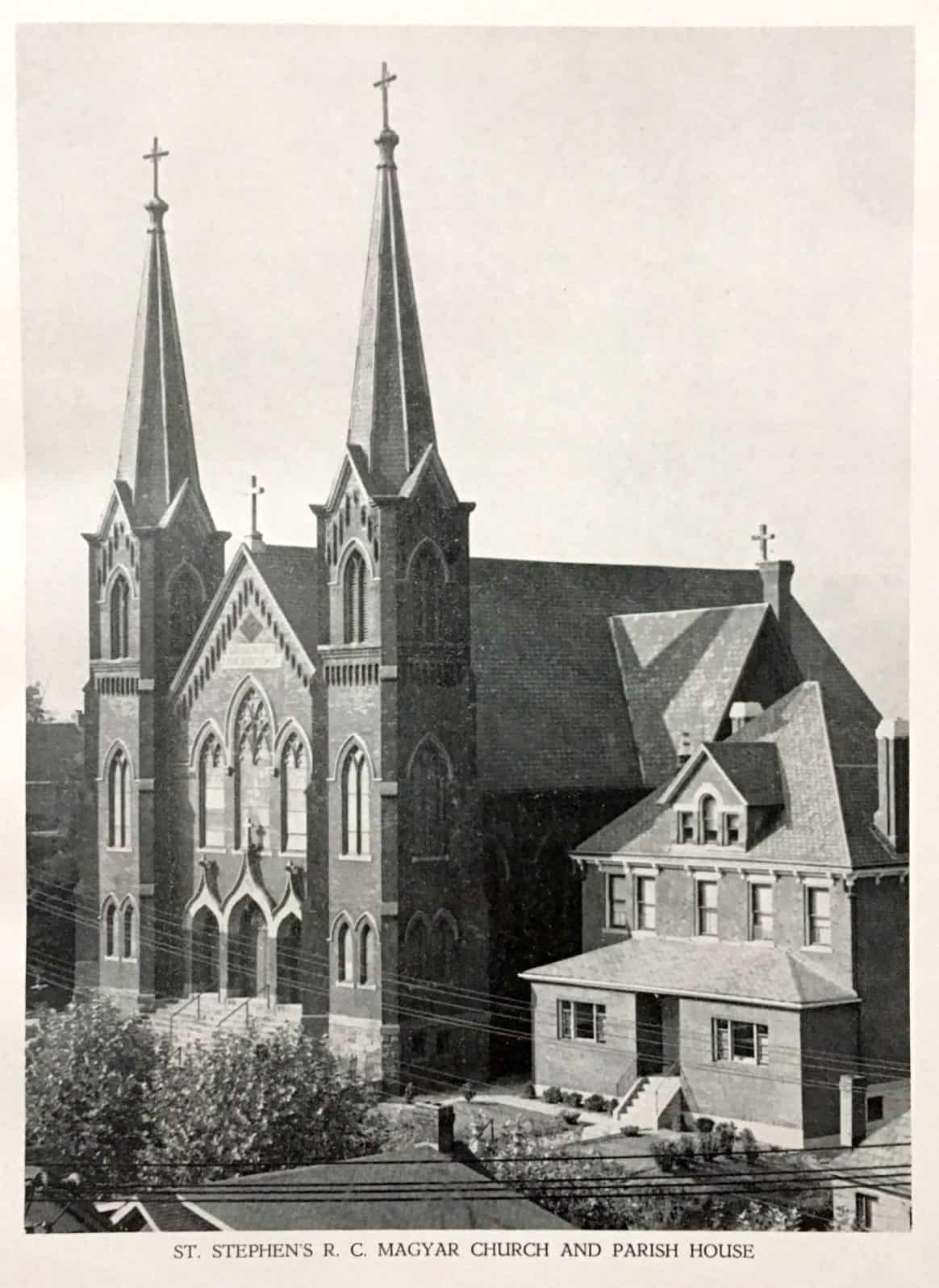
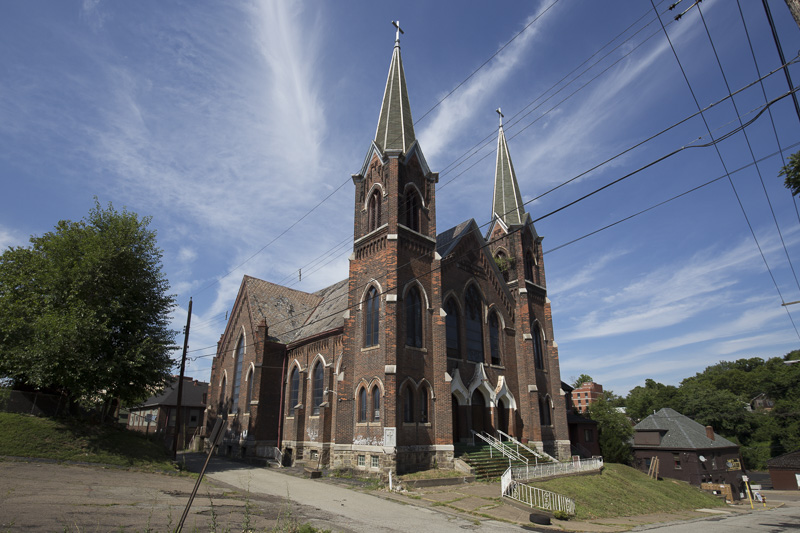
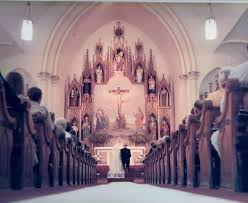
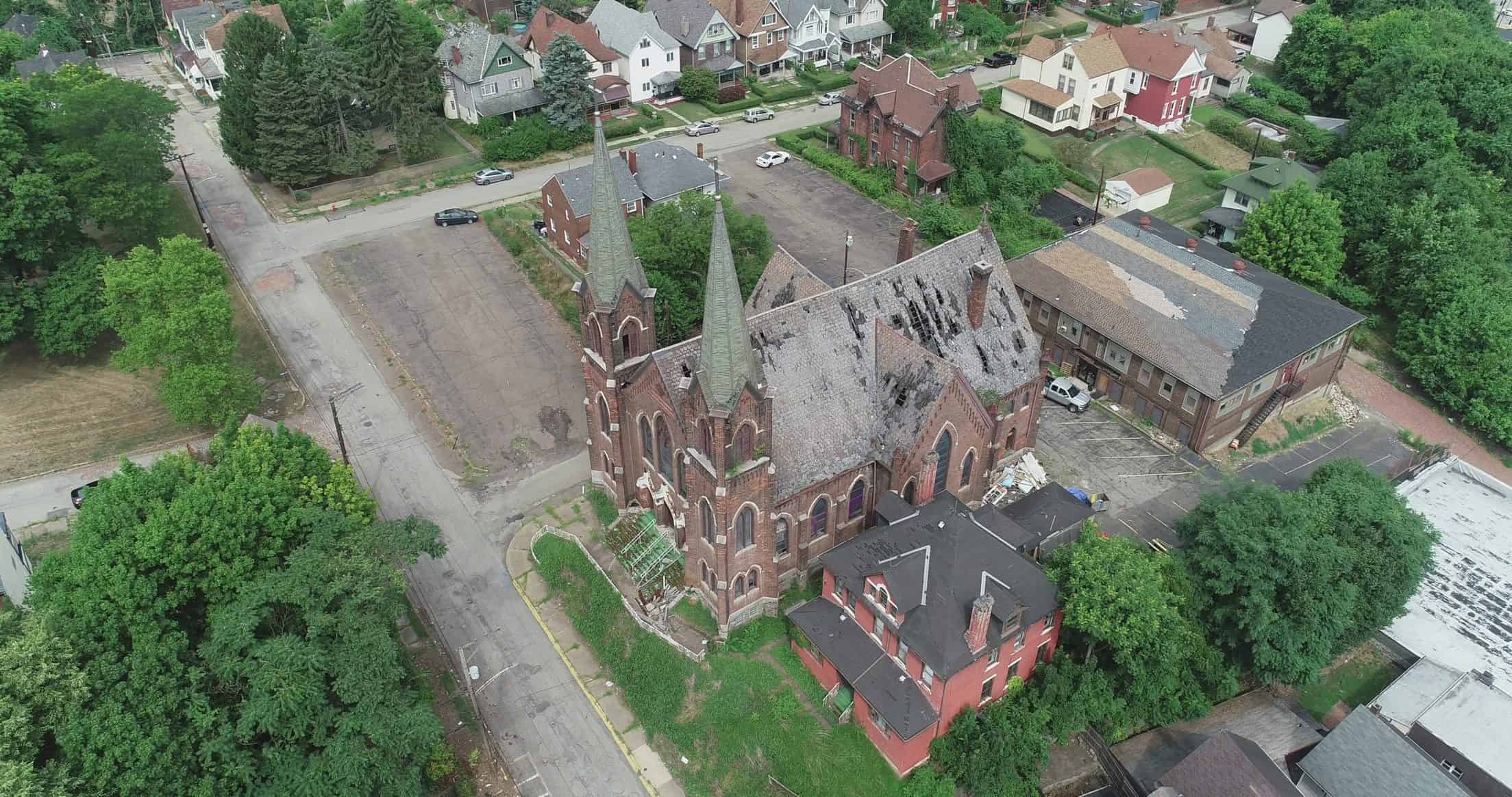
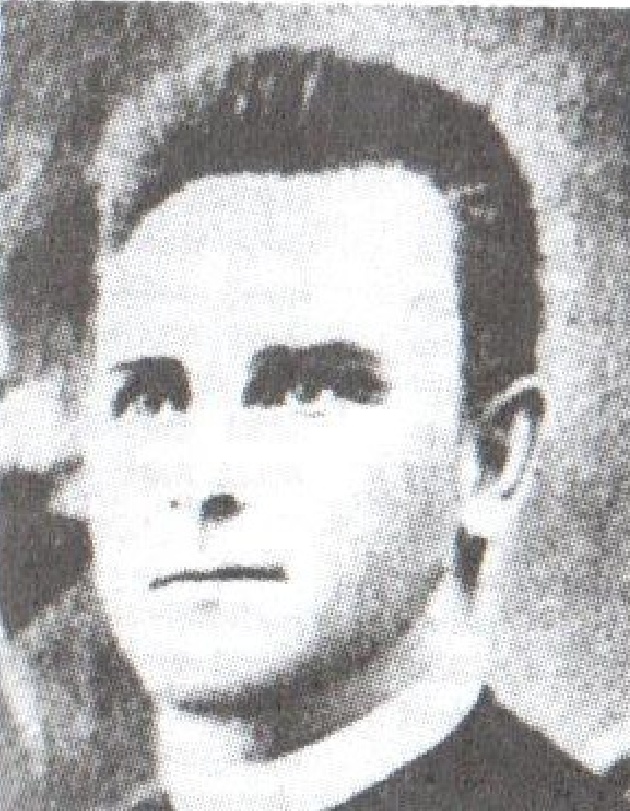
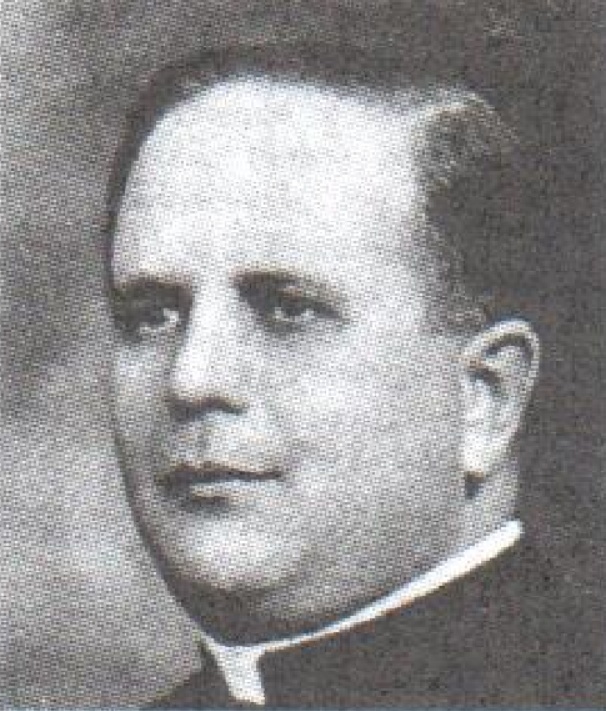
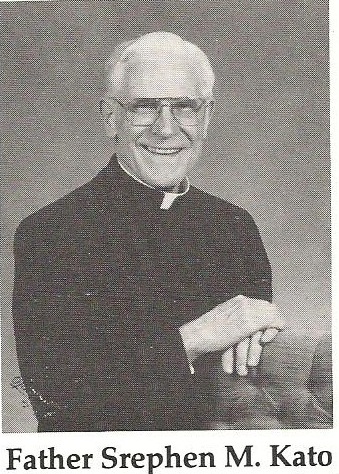
The steel mills in McKeesport, near Pittsburgh, attracted Hungarian immigrants, and by 1897 they were already dreaming of a Hungarian Catholic church. The Bishop of Košice sent them a priest, Father Kálmán Kovács, in 1899, who became the pastor of a community consisting of 23 families, approximately 817 people. The parish was established in 1899, and Father Kovács led it as pastor for 28 years. In 1901, St. Stephen’s Church was built, and for its consecration, Emperor Franz Joseph himself sent them an altarpiece. The painting depicts St. Stephen offering his country to the Great Lady of the Hungarians. The church’s stained-glass windows depict Hungarian saints, and an organ was also installed. In 1912, the Daughters of the Divine Savior received a convent and began teaching Hungarian children. Following Father Kovács, Father János Réthy took over the parish in 1927. The Society of the Holy Name, the St. Vincent de Paul Society, and the Little Flower of Jesus Association were established. Father Réthy served for 19 years. In 1946, Father Rajmund Novák took over the parish. He organized aid for the refugees of 1956. In May, devotions were held in honor of Our Lady of Fatima. Then, in 1962, Father István Kató became the parish priest; he introduced the liturgical reforms of the Second Vatican Council. However, due to a decline in the number of parishioners, the school had to be closed in 1967. Beginning in 1974, permanent deacon Henrik Brabender assisted Father Kató, and in the same year, Cardinal Mindszenty visited the parish. In 1990, Bishop Attila Miklósházy visited the parish. That year, the Bishop of Pittsburgh—due to the small number of parishioners—wanted to close the parish, but he nevertheless promised that as long as Father Kató was alive and able to carry out his duties, the church would remain open. Father Kató died in 2002, and the parish was merged with the nearby St. Pius V Parish.