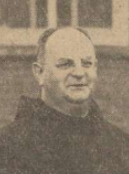
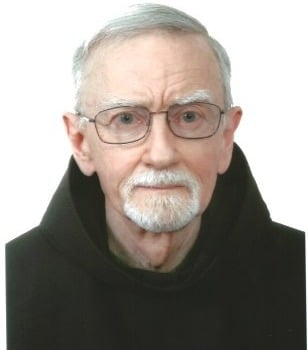
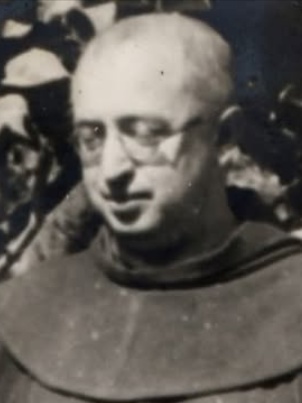
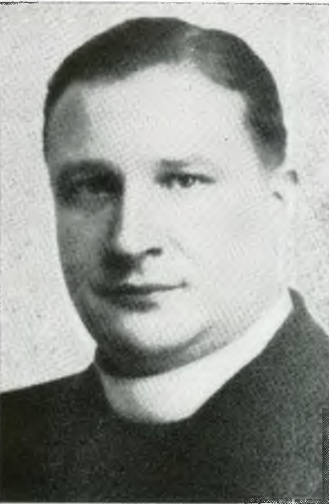
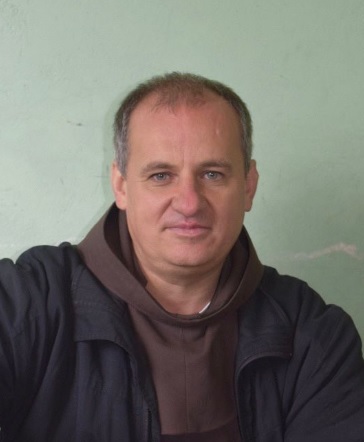
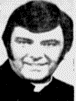
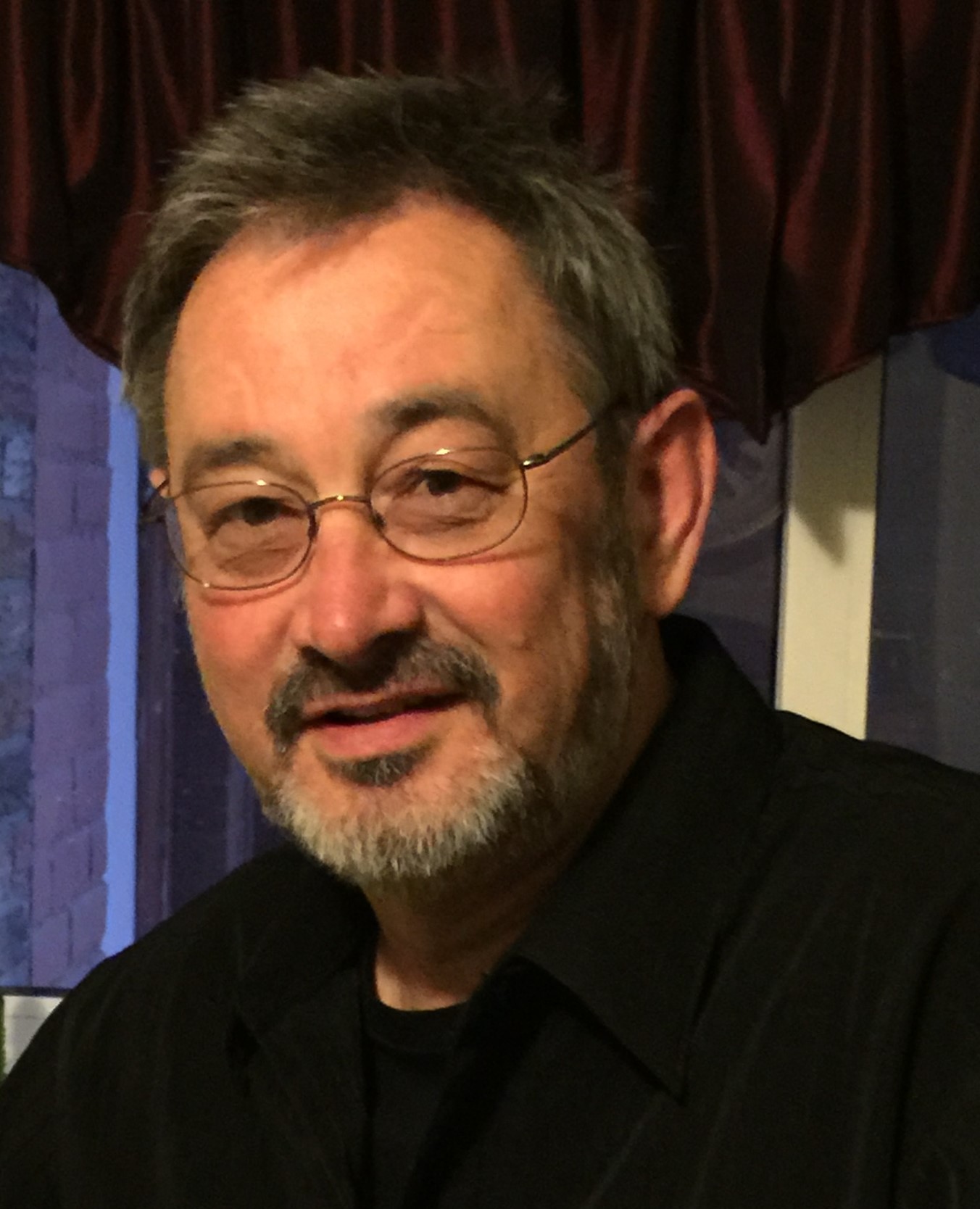
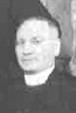
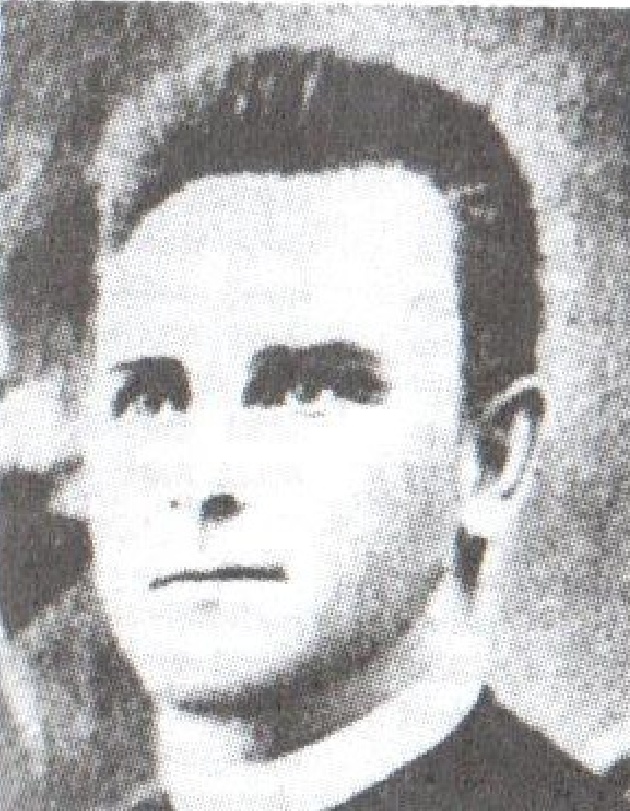
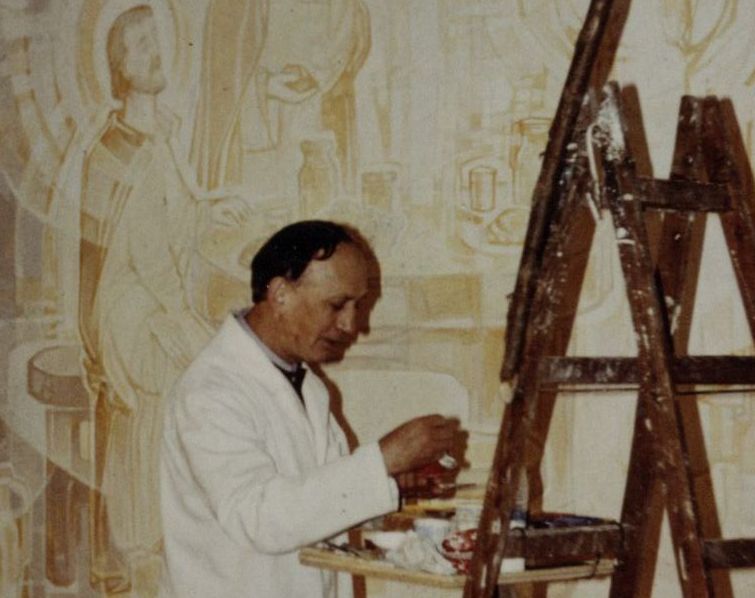
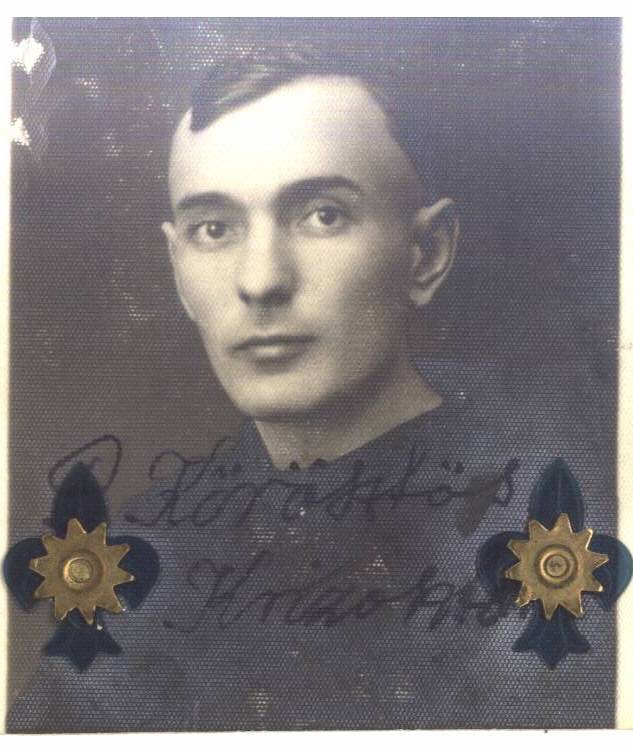
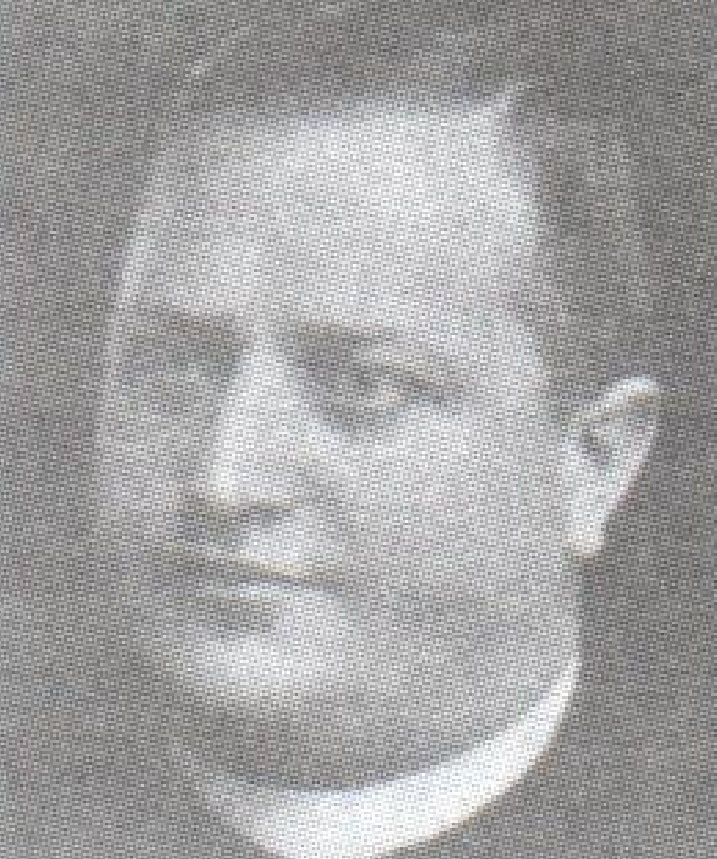
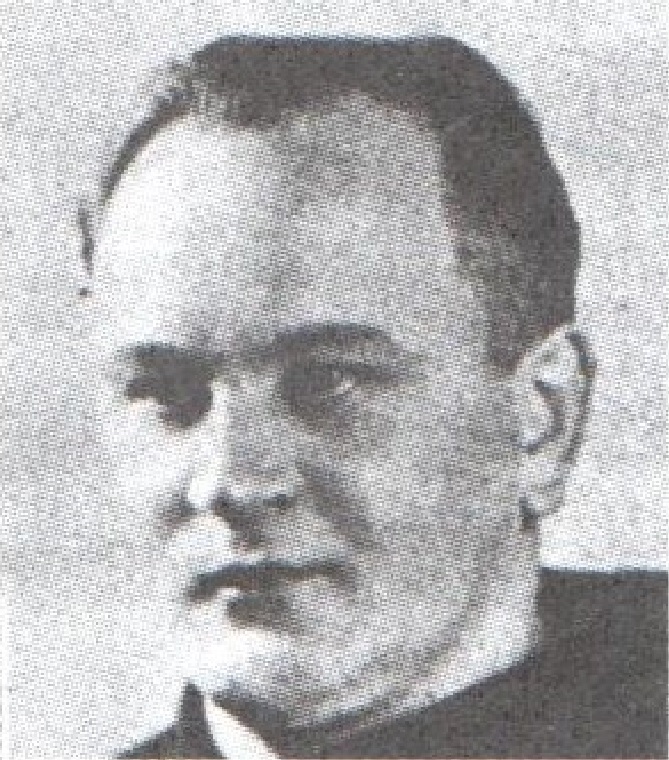
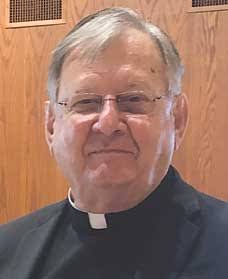
His father was the assistant stationmaster at the Marosvásárhely railway station, which is why they were expelled from Romania, which had just been established. He was practically born in the MÁV barracks on Gyáli Road. As a child, he was an active Boy Scout; it was then that he learned about the life of Saint Paschal of Babylon and his deep reverence for the Eucharist, which had a decisive influence on his entire priestly and monastic vocation. At the age of eleven, he personally experienced the events of the 1938 International Eucharistic Congress in Budapest, which he regarded as one of the most important spiritual experiences of his life, and at the age of ninety-four, he lived to see the congress held once again in Budapest.
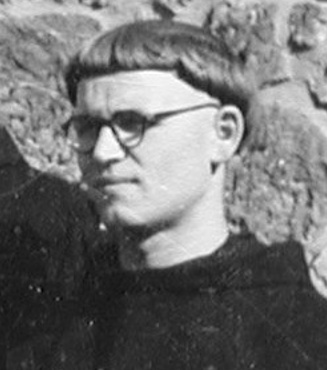
He completed his high school studies at the Royal Catholic High School in Budapest. Following World War II and the Siege of Budapest, he was a student at the Technical University for three years. In 1948, he joined the Franciscan Order; after taking his first monastic vows, he began his studies in Gyöngyös, and following the dissolution of the religious orders in 1950, he continued his theological training in Esztergom. He was ordained a priest in 1953.
Following his ordination, he served as a prefect and teacher at the Franciscan high school in Esztergom, and later taught at the Franciscan high school in Szentendre. Although he later stated that he did not truly feel the teaching vocation was his own, he undertook this service for more than twenty years, which was one of the fundamental conditions for the survival of the Hungarian Franciscan community during the years of the communist dictatorship.
At nearly fifty years of age, he was commissioned to provide pastoral care for the Hungarian émigré community within the North American Custody of St. John of Capistrano. For more than seventeen years, he served in Hungarian Catholic communities in the United States and Canada. He carried out his pastoral work in Detroit, Winnipeg, Milwaukee, New York, New Brunswick, and Trenton, serving as an assistant pastor and church administrator. During his ministry, he faced significant linguistic and cultural challenges, yet he felt that he was finally able to fully exercise the vocation to which God had called him.
In 1992, he returned to Hungary with the request to live as a hermit. Subsequently, he served for an extended period as a pastor in Mátraháza. From the age of seventy, he served as an assistant pastor in Gyöngyös and later in Budapest. In his later years, he reflected on his life and vocation in several of his books and interviews. The central idea of his spiritual legacy was that “God is love, and this is the only eternal reality.”
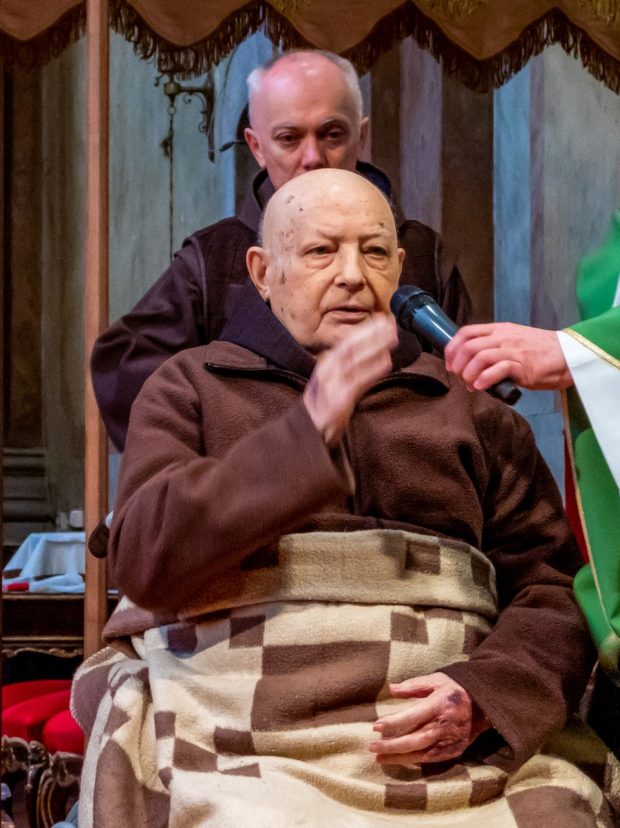
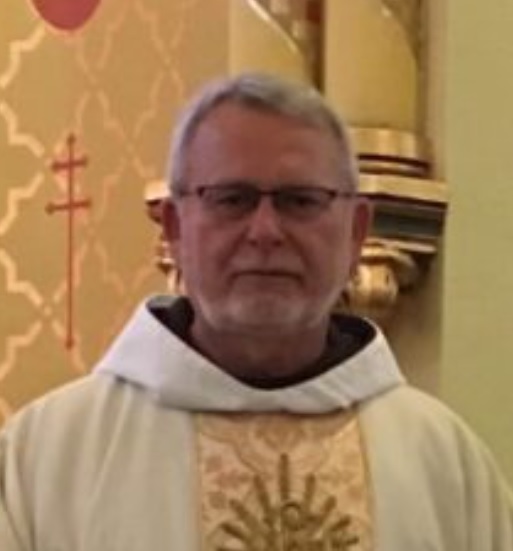
In 2020, he moved back to Esztergom, where he celebrated the seventieth anniversary of his ordination to the priesthood in 2023. His life’s journey represents a significant chapter in the history of the Hungarian Franciscan Order, the history of the Church during the communist era, and his pastoral ministry to the Hungarian Catholic diaspora in North America.